How to Clean, Dry and Store Custom Cornhole Bags Between Events
Custom cornhole bags last longest when you spot clean the fabric, let every bag dry fully after damp play and store the set somewhere dry and off the floor. Customized Cornhole Bags makes corn-filled, resin-filled and all-weather duck canvas bags, and each one needs a slightly different routine to keep the logo sharp and the slide consistent.
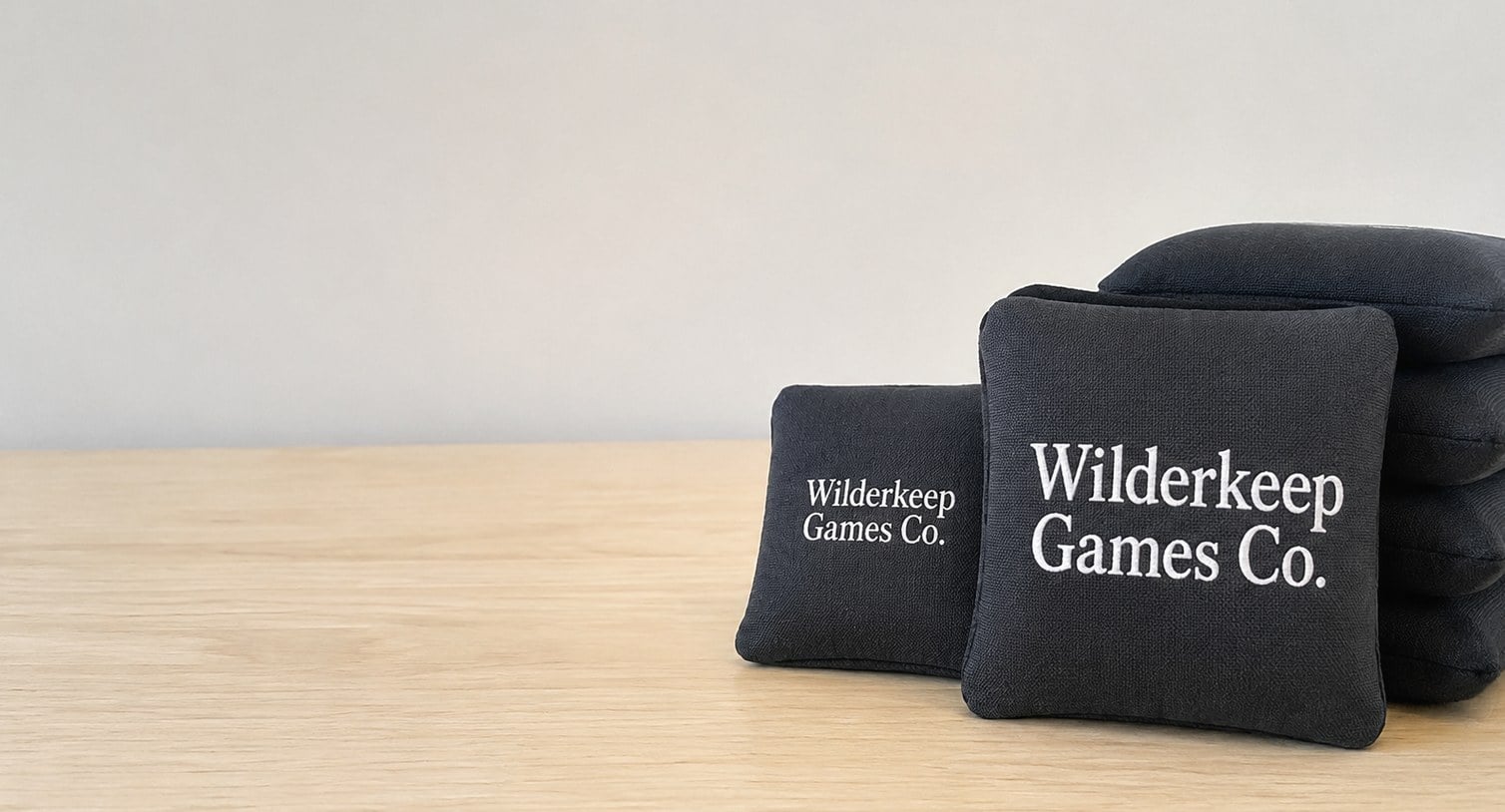
- Spot clean the fabric; never machine wash a filled cornhole bag
- Air dry bags fully before storing them
- Resin fill does not absorb water; corn fill does
- Store sets dry, off the floor and out of direct sun
- Free mockup within 24 hours, about 2 weeks after approval
Why does care matter for custom cornhole bags?
Care matters for custom cornhole bags because the same three things wear out every set: dirt ground into the fabric, moisture soaking into the fill and seams, and sun fading the face. A branded set is also doing a second job. Every scuffed logo or limp bag at a brewery patio, a company picnic or a charity tournament says something about the brand printed on it.
The good news is that a simple routine handles most of it. Brush off grit after play, deal with spills while they are fresh, dry the bags before they go back in the box and store the set somewhere dry. None of that takes long, and it keeps the bags throwing the way they did on the first day.
How much care a set needs depends on how it was built. Customized Cornhole Bags offers corn-filled, resin-filled and all-weather duck canvas bags, and those three behave differently when they get wet, dirty or packed away for the winter. The sections below cover the general routine first, then what changes by fill and fabric.
How do you clean custom cornhole bags without damaging the logo?
The safest way to clean custom cornhole bags is to spot clean the fabric by hand and leave the fill alone. A filled bag should never go in a washing machine or dryer. Agitation stresses the seams, water can reach the fill, and heat can affect the printed or stitched logo.
A simple spot-cleaning routine:
- Brush off loose dirt, grass and grit with a dry, soft brush once the bag is dry.
- Dampen a cloth with cool water and a small amount of mild soap.
- Dab the stained area rather than scrubbing, working from the edge of the stain inward.
- Wipe again with a cloth dampened in plain water to lift any soap.
- Leave the bag to air dry fully before stacking or storing it.
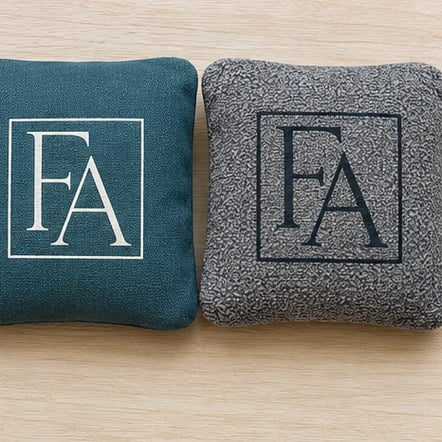
Treat the logo face gently. On printed logo cornhole bags, dab across the print rather than rubbing hard at it. On embroidered cornhole bags, avoid snagging the stitching with a stiff brush. Skip bleach and harsh solvents on both, since they can lighten the fabric around the design and make the logo look patchy.
What should you do when cornhole bags get wet?
When cornhole bags get wet, bring them indoors, lay them flat in a single layer and let them air dry completely before you put them away. Drying time depends on the fill, the fabric and how wet they got, so check by feel rather than by the clock. A bag that still feels cool or heavy in the middle is not ready to store.
A few habits help:
- Spread the bags out instead of leaving them piled in a bucket or tote.
- Turn each bag over partway through so both faces dry.
- Keep them away from direct heat such as heaters or a hot car, which can stress fabric and print.
- Do not seal damp bags in a plastic bin, where trapped moisture lingers.
The fill decides how much a soaking matters. Resin pellets do not absorb water, so a resin bag mainly needs its fabric dried. Corn absorbs moisture and gains weight, so a soaked corn bag plays differently and can be harder to recover. If your set is regularly used outdoors, that difference is worth weighing before your next order.
How does care differ for corn, resin and all-weather duck canvas bags?
Care differs most by fill. Corn-filled cornhole bags need protection from moisture and pests, resin-filled bags mainly need their fabric kept clean and dry, and all-weather duck canvas bags are built for outdoor sets but still need drying after a downpour. The table summarizes the differences.
| Style | Main care concern | Storage notes | Best fit |
|---|---|---|---|
| Corn-filled cornhole bags | Absorbs water and grinds down with use, so the bag settles over time | Store indoors; not suited to sheds, garages or vans | Indoor and occasional backyard sets |
| Resin-filled cornhole bags | Fabric dirt and drying; the fill itself does not absorb water | Handles a van or shed better than corn | Leagues, breweries, rental sets, tailgates |
| All-weather duck canvas bags | Water-resistant treated face, not waterproof; dry after heavy rain | Dry fully before packing away | Patios and venues where boards live outside |
Customized Cornhole Bags states these limits plainly on each product page. If your set will live outdoors or travel in a vehicle, resin fill is usually the lower-maintenance choice, and the corn vs resin comparison walks through the trade-off.
Where should you store custom cornhole bags in the off-season?
Store custom cornhole bags indoors, dry and off the floor in the off-season, ideally in a breathable bag or an open-topped box. A closet, a dry basement shelf or an office storeroom works well. The aim is to keep moisture, pests and sunlight away from the fill and the logo face.
Before you pack the set away:
- Brush off every bag and spot clean any stains.
- Confirm each bag is fully dry.
- Count the set so a missing bag is noticed now, not on the first spring weekend.
- Store bags flat or loosely stacked, not crushed under heavy items.
- Keep the set out of direct sun, which can fade printed colors over time.
Storage location matters most for corn-filled bags. Sheds, garages and vans are where corn attracts pests and mold, so those sets belong inside the house or building. Resin-filled bags tolerate those spaces better, which is one reason breweries and event teams that keep kit in a van often choose resin.
How can venues and event teams keep shared cornhole sets in good shape?
Venues and event teams keep shared cornhole sets in good shape by assigning one person to check the bags at the end of each day or event. Shared sets at breweries, taprooms and company events see heavy use from many hands, so small problems, like a damp bag or a loose seam, are easy to miss.
A closing routine for shared sets:
- Collect every bag before the boards are moved, so none are left on the lawn overnight.
- Bring bags inside if rain is coming or the patio closes.
- Set aside any bag with a loose seam or leaking fill so it is not thrown again.
- Keep a small reserve of matching bags to swap in when one is retired.
Breweries and taprooms with outdoor seating can see how other venues plan their sets on the custom cornhole bags for breweries page. Couples planning lawn games for a reception can find event-day tips on the custom cornhole bags for weddings page.
When is it time to replace a custom cornhole set?
It is time to replace a custom cornhole set when the bags stop throwing consistently, the seams start to fail or the logo no longer represents your brand well. A set does not need to be falling apart to be retired. If players notice that some bags slide and others stall, the set has stopped doing its job.
Signs a set is due for replacement include bags that feel noticeably lighter or limp, fill escaping from a seam, a slick face that drags after it has dried, and a printed logo that has faded or worn unevenly across the set. An outdated logo or old event date is also a fair reason to reorder.
Replacing a set is simpler than the first order, because your artwork is already prepared. Customized Cornhole Bags sends a free mockup within 24 hours, offers unlimited free revisions and delivers in about 2 weeks after approval, with faster turnaround available through express shipping. The product pages list a minimum of 12, and you pay nothing until you approve the design. Start on the custom quote page, or read how it works for each step.
Frequently asked questions
Can I put custom cornhole bags in the washing machine?
Custom cornhole bags should not go in a washing machine or dryer while they are filled. The tumbling stresses the seams, water can reach the fill and heat can affect a printed or stitched logo. Spot clean the fabric by hand with a damp cloth and mild soap instead, then let each bag air dry completely before you store the set.
How do I remove a beer or soda spill from a printed cornhole bag?
Printed cornhole bags handle spills best when you act quickly. Blot the liquid with a dry cloth, then dab the area with cool water and a little mild soap, working from the edge inward. Rinse with a cloth dampened in plain water and let the bag dry flat. Avoid hard scrubbing across the printed logo, which can wear the print.
Do resin-filled cornhole bags need different care than corn-filled bags?
Resin-filled cornhole bags need less care than corn-filled bags because plastic resin pellets do not absorb water. A damp resin bag mainly needs its fabric dried. Corn absorbs moisture, gains weight and grinds down with use, so corn sets need dry indoor storage. Customized Cornhole Bags states these differences on each product page before you order.
Why does my cornhole bag feel lighter after a season of play?
Cornhole bags filled with corn often feel lighter and limper after a season because the kernels grind down into powder with use, so the fill settles and loses volume. Resin pellets keep their shape, which is why resin sets tend to play the same next season. If a corn bag has changed noticeably, retiring it keeps the set consistent.
Are all-weather duck canvas cornhole bags waterproof?
All-weather duck canvas cornhole bags from Customized Cornhole Bags have a water-resistant treated face, but they are not waterproof, and the site says so plainly. The treatment helps the bag shrug off a damp evening and keep sliding. After heavy rain, bring the bags inside and let them dry fully before packing them away.
Can I store cornhole bags in a garage or shed over the winter?
Cornhole bags with resin fill handle a garage or shed better than corn-filled bags, since resin does not absorb moisture or attract pests. Corn-filled sets should be stored indoors, because garages, sheds and vans are where corn can grow mold. Whatever the fill, keep the bags dry, off the floor and out of direct sun.
Will sunlight fade the logo on custom cornhole bags?
Custom cornhole bags left in direct sun for long periods can see printed colors fade over time, especially on sets that live outside on a patio. Bring bags in when they are not in use and store them out of sunlight. Customized Cornhole Bags can recommend a fabric and logo method suited to outdoor use when you request a quote.
What should I do if a cornhole bag seam starts to split?
Cornhole bags with a splitting seam should come out of play right away, because a small opening can widen and leak fill onto the board and lawn. Set the bag aside and replace it with a matching spare. Customized Cornhole Bags double-sews and lockstitches its seams, and replacement bags can be quoted with your existing artwork.
How should a brewery store its custom cornhole bags overnight?
Custom cornhole bags at a brewery should be collected at closing and stored inside, even when the boards stay on the patio. Overnight dew and rain soak fabric and can reach the fill. Keep the set in a dry bin or on a shelf, and set aside any bag that is damp so it can dry before the next service.
Can I order replacement cornhole bags that match an existing custom set?
Replacement cornhole bags can be matched to an existing custom set when you send the original artwork, style and fill details with your request. Customized Cornhole Bags prepares a free mockup within 24 hours so you can confirm the match before approving. Product pages list a minimum of 12, so many buyers replace a whole set at once.
Get a free mockup for your cornhole bags
Send your logo or idea and the quantity you have in mind. Customized Cornhole Bags returns a free mockup within 24 hours, you approve the design before anything is produced, and standard turnaround is about two weeks with faster options available. Get a custom quote.